is it safe to buy dahlia tubers from hobby growers
Is it safe to buy dahlia tubers from hobby growers?
Is it safe to buy dahlia tubers from hobby growers? It can be a smart way to find special varieties if you check eyes, labels, shipping, and trust first.
Published 4/19/2026
Share this post
Help more growers, small farms, and dahlia collectors find it.
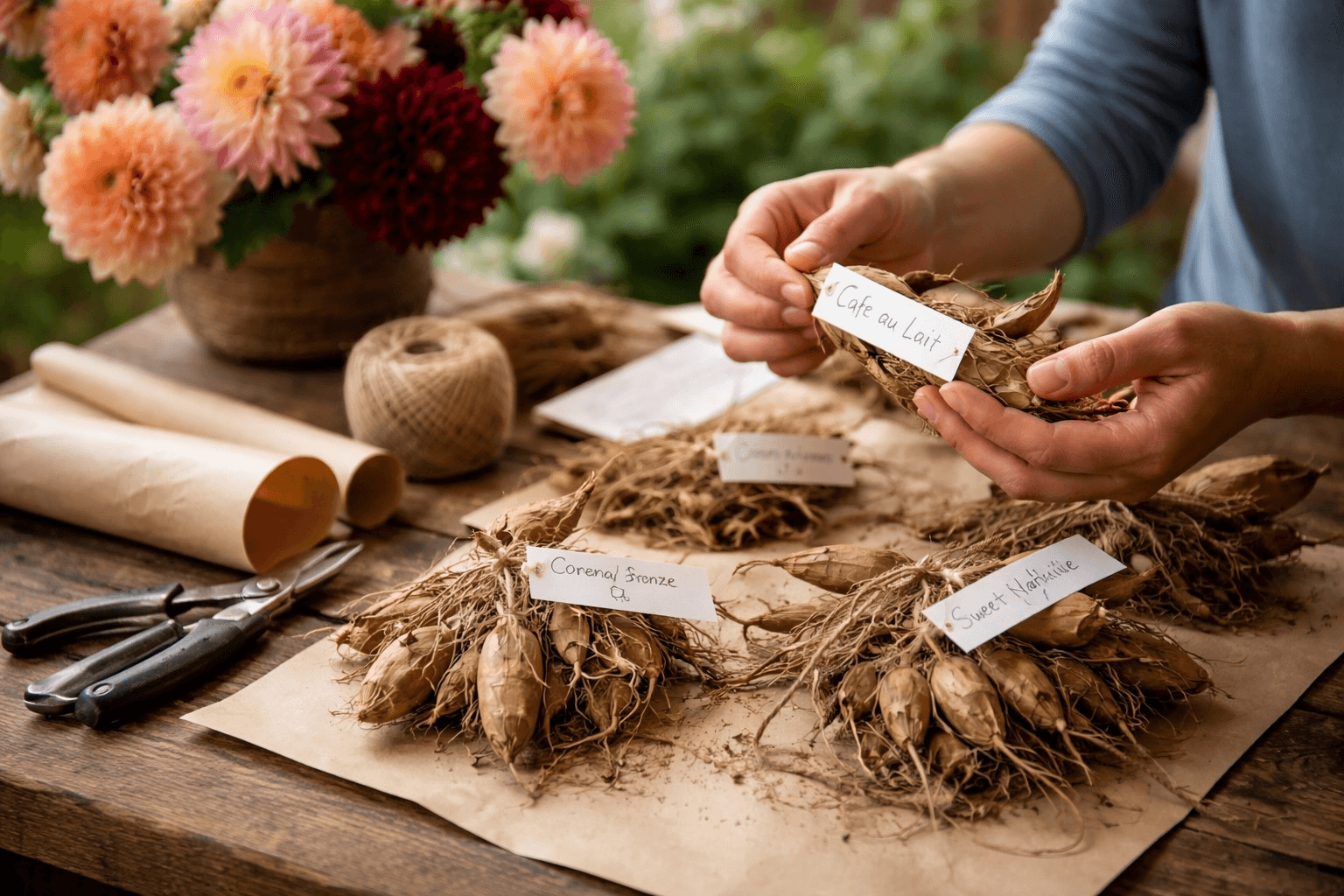
If you are asking is it safe to buy dahlia tubers from hobby growers, the answer is yes, often very much so, if you know what to verify before ordering. Many excellent tubers in the US dahlia market come from careful small growers who divide honestly, label clearly, and know their stock well, so a few simple checks can help you buy with real confidence.
Why hobby growers can be a very good place to buy
In the dahlia world, hobby grower does not mean casual. In many cases it means the seller has handled the variety from first sprout to bloom, then through digging, storage, dividing, labeling, and packing. That level of contact matters. It gives buyers something large-volume inventory does not always provide, which is firsthand knowledge of the exact stock being sold.
A small grower often knows whether a variety tends to make strong eyes early, whether it stores beautifully, whether it is prone to snapping at the neck, or whether it is one of those true-to-name troublemakers that gets mixed up often in circulation. Those details are gold for a buyer. They help you avoid disappointment and make better decisions during sellout season, especially if you are shopping for a specific bloom form, color palette, or cut-flower favorite.
There is also a practical reason many buyers turn to hobby growers. Some of the most wanted cultivars move through small grower circles before they ever appear on larger retail sites. If you are hoping to find a harder-to-source variety, a careful individual seller may be exactly where you find it.
Still, this is not about assuming every small seller is safe. It is about knowing how to judge the right things. The best buyers stay calm, ask a few smart questions, and look for evidence that the grower respects buyer trust.

What a careful buyer should check first
If your goal is to buy dahlia tubers safely, start with the things that actually affect whether the order is worth placing. A pretty bloom photo is lovely, but it is not the main trust signal.
1. What exactly is being sold
First, make sure the seller is clear about the product itself. Are you buying a single tuber, a rooted cutting, or a division from a clump? Buyers sometimes move too fast here, especially if the variety is scarce. Those are different forms of plant material, and the listing should say which one you are getting.
A trustworthy listing usually includes:
- the full variety name
- whether it is a tuber, cutting, or clump division
- a realistic shipping window
- some note about condition, storage, or timing
- a clear expectation for what happens if there is damage on arrival
You do not need polished ecommerce language. You just need clarity.
2. Whether the tuber has a viable eye
This is one of the most important quality cues a buyer can check. A tuber can look fat and sturdy but still fail if there is no viable eye. That does not mean every seller has to post magnified photos of each growing point, but they should understand the question and answer it directly.
A strong answer might be that tubers ship with a visible viable eye, or that the grower waits until eyes are showing before mailing. Either can be reasonable, depending on timing. The key is whether the seller sounds experienced and specific.
3. How the grower handles labeling and true-to-name stock
True-to-name matters in dahlias. It matters if you are building a color palette, trialing varieties, growing for events, or simply trying not to waste a whole season on the wrong plant. A good grower usually has a system. Maybe they tag in the field. Maybe they keep each clump separate in storage. Maybe they only sell varieties they feel fully confident identifying.
The exact system can vary. What matters is that there is one.
4. Shipping timing and packing habits
Tubers are living material. A healthy division can still arrive in rough shape if it was packed carelessly or shipped at the wrong moment. Ask when the seller normally ships to your region. Ask whether they hold boxes during freezes or early heat. Ask how they cushion the neck and crown.
Growers who have done this for a while usually answer in plain, practical language. That is a very good sign.

How to compare listings and growers without getting overwhelmed
A lot of buyers are not really worried about tubers. They are worried about sorting through too many choices. This is where a calm dahlia tuber buyer guide becomes useful. You do not need to investigate every seller like a detective. You just need a simple way to compare them.
Start with the listing itself
Look at whether the listing feels grounded in real dahlia selling. Does it say enough about timing, condition, or form of sale? Does the grower sound like someone who actually divided and packed the stock? Or does the whole thing feel vague and photo-driven?
Then look at the grower's communication style
If you are wondering how to trust a dahlia grower, pay close attention to how they answer normal buyer questions. Good growers tend to be clear without sounding defensive. They do not need to oversell. They usually answer with little bits of lived-in detail.
For example, a reliable grower might say, “This one tends to make smaller tubers, but it stores well and wakes reliably.” Or, “I am holding all cold-state orders until the nighttime lows settle down.” That kind of answer tells you a lot.
Compare how sellers talk about risk
The most trustworthy sellers do not pretend dahlias are risk-free. They know necks can snap, storage losses happen, and weather can delay shipping. They explain their process without sounding dramatic. That balance is reassuring.
On the other hand, be cautious with sellers who promise perfection in a way that feels disconnected from real gardening. Living plants do not come with perfect certainty.
Notice who seems to know the variety beyond the photo
A real grower can usually say something meaningful about the cultivar. Maybe it is a prolific cut flower. Maybe it is a beautiful ball form but a stubborn divider. Maybe it throws strong stems but can be variable in color with heat. Those details are hard to fake and very useful when comparing sellers.
If you want a simpler way to compare options in one place, it helps to use a marketplace built for this niche. You can Register free, explore Browse varieties, and use Meet growers to compare who is offering what without chasing scattered sale posts across the internet.
The trust signals that matter most in this niche
This is where the question is it safe to buy dahlia tubers from hobby growers becomes much easier to answer. Buyer trust in the dahlia market is rarely built by one big gesture. It comes from several smaller signals that line up.
Specific answers beat polished branding
A polished logo or pretty product shot can look nice, but it does not tell you whether the seller tracks clumps well or knows the difference between a healthy tuber and a weak one. A plainspoken answer often tells you much more.
Calm honesty is a green flag
Suppose you order a sought-after blush decorative in late winter. The grower emails before shipping and says the reserved division developed a weak neck in storage. They offer a refund, a substitute from the same clump with a visible eye, or the chance to wait for the next saleable division. That is not bad service. That is exactly how careful growers protect buyer trust.
A real process matters more than a big inventory
Some growers sell a short list, but everything on it is carefully tracked and confidently labeled. Others post a huge list of rare varieties but cannot answer basic questions about source stock, dividing, or labeling. In this niche, the smaller, clearer seller is often the safer one.
Respect for true-to-name issues matters
Every grower knows mix-ups can happen somewhere in the market. What you want is a seller who takes that seriously. A grower who removes uncertain stock from sale or flags a variety as questionable is often more trustworthy than one who shrugs and says close enough.
Red flags buyers should not ignore
The safest way to buy dahlia tubers safely is not to become fearful. It is to know when to pause.
Vague listings
If the listing does not clearly say what you are buying, when it ships, or how the seller handles problems, stop there and ask. If the answer stays vague, move on.
Every rare variety is somehow available
Sometimes a seller offers a long list of in-demand cultivars but cannot say much about any of them. That can point to weak inventory control or stock the seller does not actually know well.
Dodging normal dahlia questions
Questions about viable eyes, labeling, and shipping are normal. Sellers do not have to write essays, but they should be able to answer calmly and directly.
Careless attitude about labels
If a seller sounds too casual about names, take that seriously. True-to-name is not a fussy extra in dahlias. It is part of what the buyer is paying for.
Hype with no substance
“Rare,” “stunning,” and “must-have” are not quality signals. In this niche, the real markers of trust are clarity, process, and lived-in knowledge.
Why a marketplace can make careful buying easier
Buying from individual growers gets much easier when you are not piecing together clues from random comments, old screenshots, and rushed social sale posts. A marketplace helps buyers compare options in a calmer, more organized way.
That is where The Dahlia Hub can genuinely help. Buyers can Register free, compare listings more easily, use Browse varieties to focus on the cultivars they actually want, and visit Meet growers to get a better sense of who is offering what. That structure matters. It reduces guesswork and helps careful sellers stand out for the right reasons.
This is especially helpful during peak selling windows, when it is easy to feel rushed. A dedicated marketplace gives you a cleaner way to compare choices, spot thoughtful listings, and make decisions without getting overwhelmed.
Midway through your search is a good time to simplify it. Register free on The Dahlia Hub to buy and or sell, compare growers with more confidence, and keep your search rooted in real information instead of guesswork.
FAQ
Is it safe to buy dahlia tubers from hobby growers if I am new to dahlias?
Yes. New buyers often do very well with careful hobby growers because communication is more personal and the seller often knows the stock intimately. Just make sure they answer clearly about viable eyes, labeling, shipping timing, and condition.
What is the best way to buy dahlia tubers safely online?
The best way to buy dahlia tubers safely is to compare listings carefully, ask direct questions, and choose sellers who sound experienced, specific, and realistic about the process.
How to trust a dahlia grower if there are not many reviews?
If you are asking how to trust a dahlia grower when reviews are limited, focus on how they answer questions, how clearly they describe their stock, and whether they sound grounded in real dividing, labeling, storage, and packing.
Do I need a full dahlia tuber buyer guide every time I order?
You do not need a long checklist every time, but a simple dahlia tuber buyer guide mindset helps. Check the form of sale, ask about viable eyes, verify labeling habits, confirm shipping timing, and notice whether the grower communicates like someone who truly knows the variety.
If you came here asking is it safe to buy dahlia tubers from hobby growers, the honest answer is yes, provided the grower shows real care in dividing, labeling, packing, timing, and communication. You do not need the biggest seller. You need the right one. Register free on The Dahlia Hub to buy and or sell, compare growers more easily, and find dahlias with more confidence.
Helpful Dahlia Hub Links
- Open your store: Primary seller acquisition path.
Share this post
Help more growers, small farms, and dahlia collectors find it.
Community comments
Growers and buyers can add to the conversation
Questions, practical follow-ups, and firsthand experience are welcome here.
1 comment
Mary
Apr 20, 2026
Love this!