KA's Honi
Warm creamy apricot blooms on tall stems with irresistible garden presence
No photos yet
Be the first to share what this dahlia looks like!
Informal Decorative · 5–6"YellowKristine AlbrechtUnited States
KA's Honi opens in a luminous warm blend of creamy yellow melting into soft apricot, shifting in tone with morning and afternoon light. The loosely layered petals of its informal form give each bloom an effortlessly natural look. Strong stems carry the large blooms upright at impressive height, making it a standout harvest for cutting gardens. It comes from Kristine Albrecht in United States.
No sellers have listed KA's Honi yet.
Be the first to sell itAvailability & pricing
No growers are currently listing KA's Honi on The Dahlia Hub.
Specifications
Physical
- Form
- Informal Decorative
- Bloom class
- BB4–6"
- Bloom size
- 5–6"(12.7–15.2 cm)
- Plant height
- 60"
Color
- Color
- Yellow
- Pattern
- Light Blend
- Tags
- creamy yellowapricotpeachwarm blend
Growing context
- Cut flower
- ✓ Yes
Provenance
- United States
- Country of origin
- Breeder
- Kristine Albrecht
- Introducer
- Santa Cruz Dahlias
Grower Profile
Difficulty
Ideal for
Growing KA's Honi
Stake at planting time, as these plants regularly reach five feet and need firm support. Pinch early at four to five leaf nodes to encourage well-branched plants and more blooms per stem. Water consistently and mulch around the base to retain soil moisture through warm stretches. Disbud side shoots on the main stem if you want the largest individual blooms for cutting.
- Spacing
- Space about 3 ft apart
- Staking
- Stake early — stems carry heavy blooms and lean in wind
Frequently asked questions
How tall does KA's Honi dahlia grow?
KA's Honi reaches 60" at maturity, so plan to stake plants early to keep heavy blooms upright.
Is KA's Honi dahlia good for cut flowers?
Yes — KA's Honi is well suited for cutting.
Is KA's Honi hard to grow?
KA's Honi is rated challenging — it rewards experienced growers with patience and more attention to staking, feeding, and pest pressure than the average variety.
Similar dahlias
More informal decorative dahlias
Other varieties in the same form type as KA's Honi.
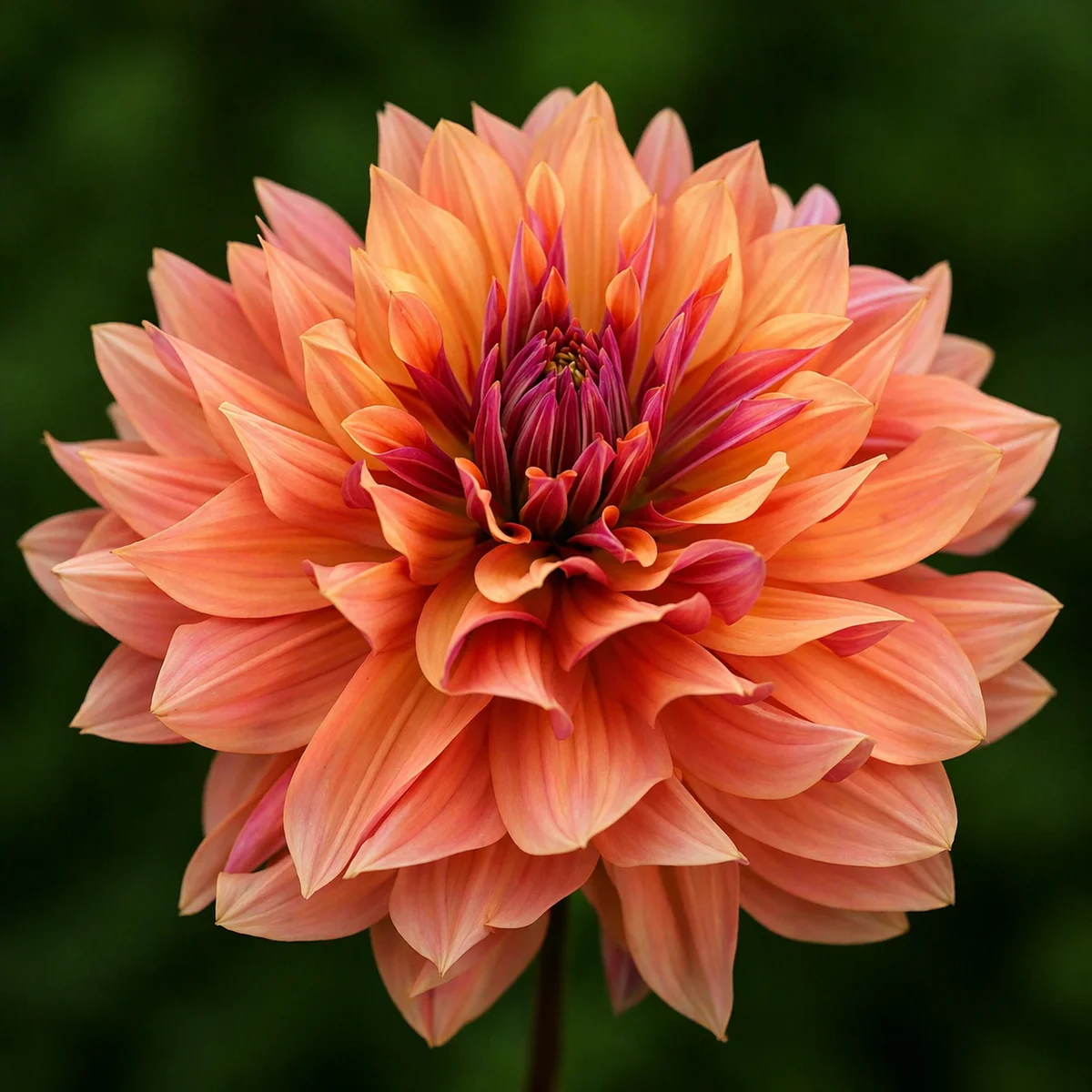 ✂
✂Andy's Legacy
Informal Decorative · B · 6–8"
peachapricotcoral+5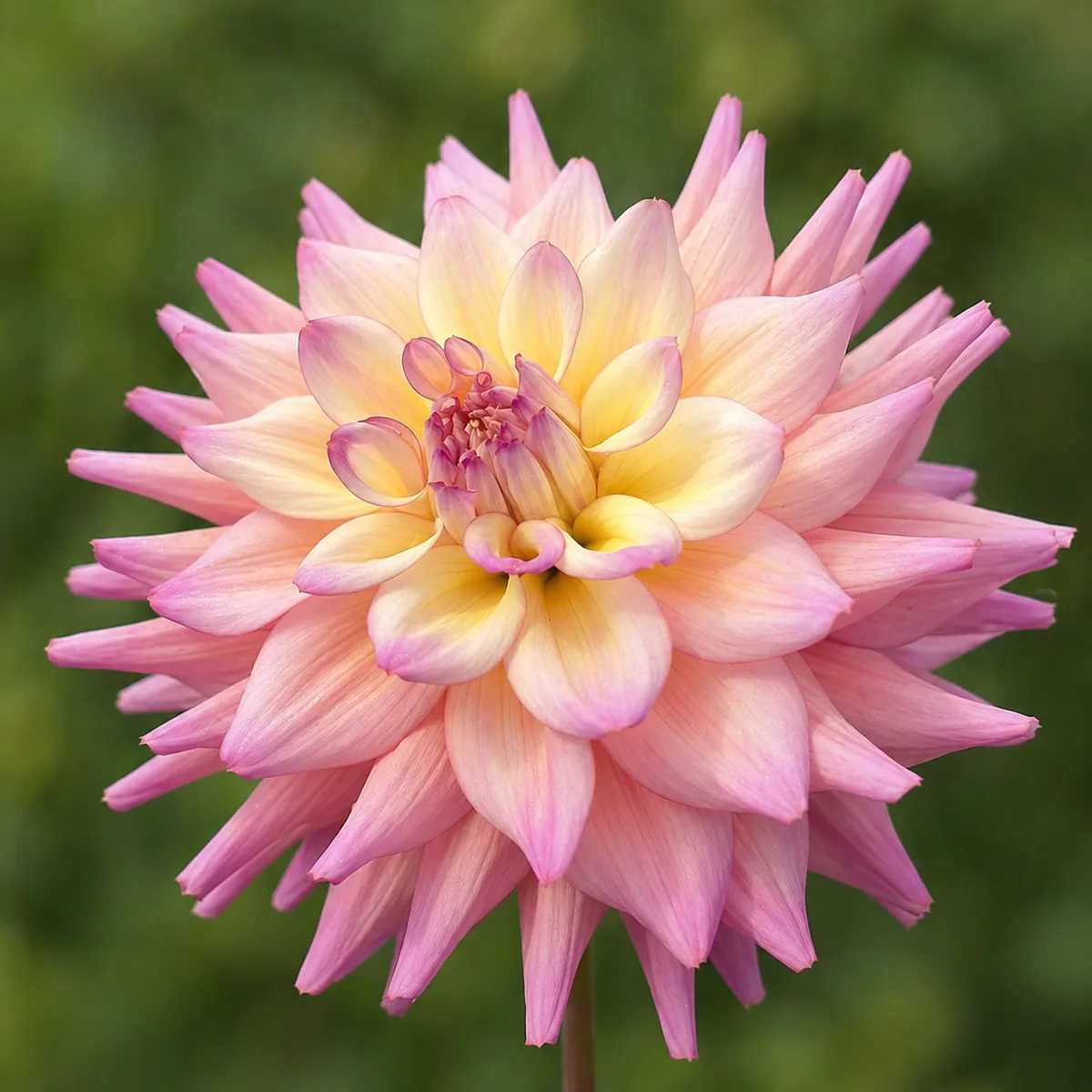 ✂🏆
✂🏆Bahama Mama
Informal Decorative · BB · 4–6"
banana yelloworchid pinkmauve+4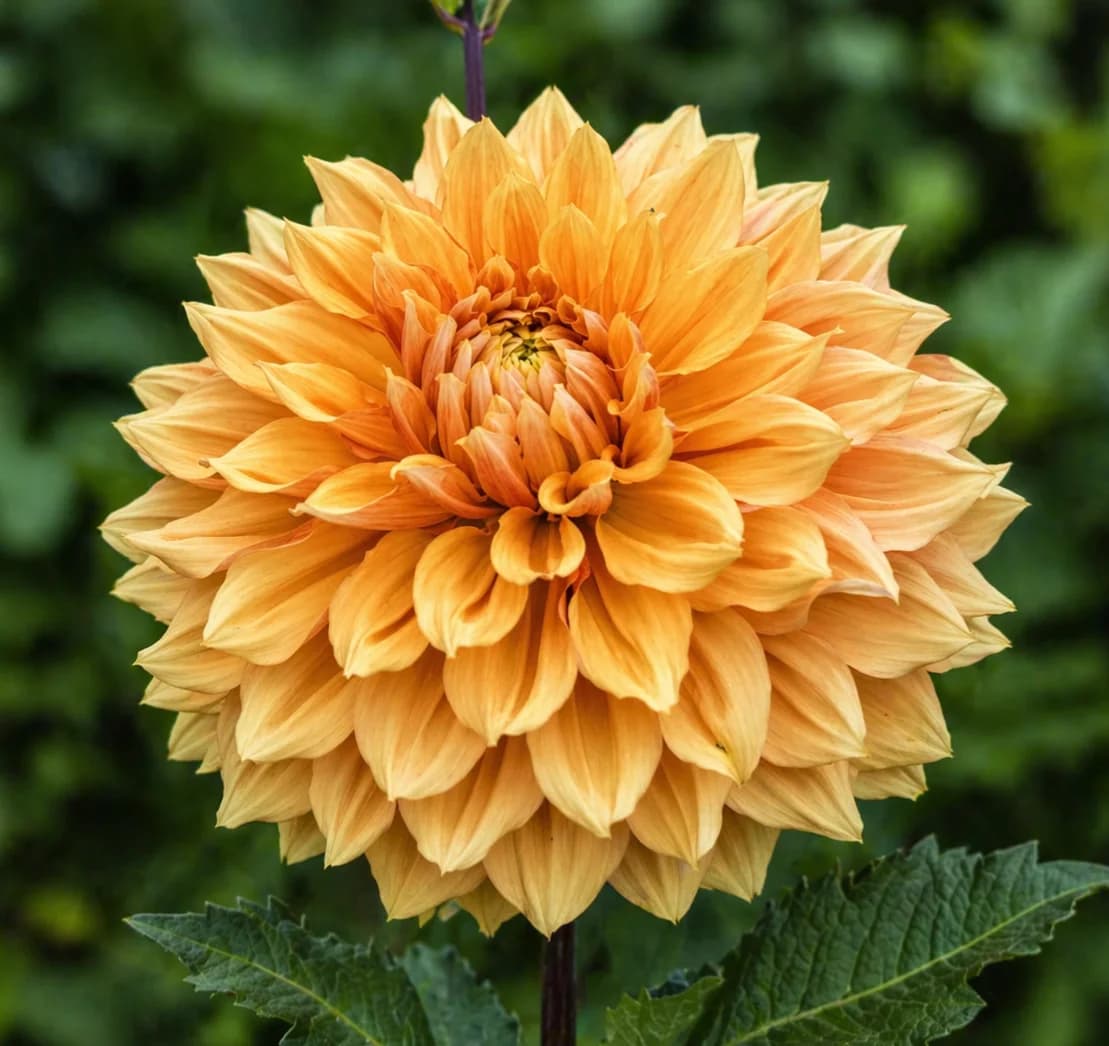 ✂🏆
✂🏆Ben Huston
Informal Decorative · AA · 9–11"
apricotcoralsalmon+4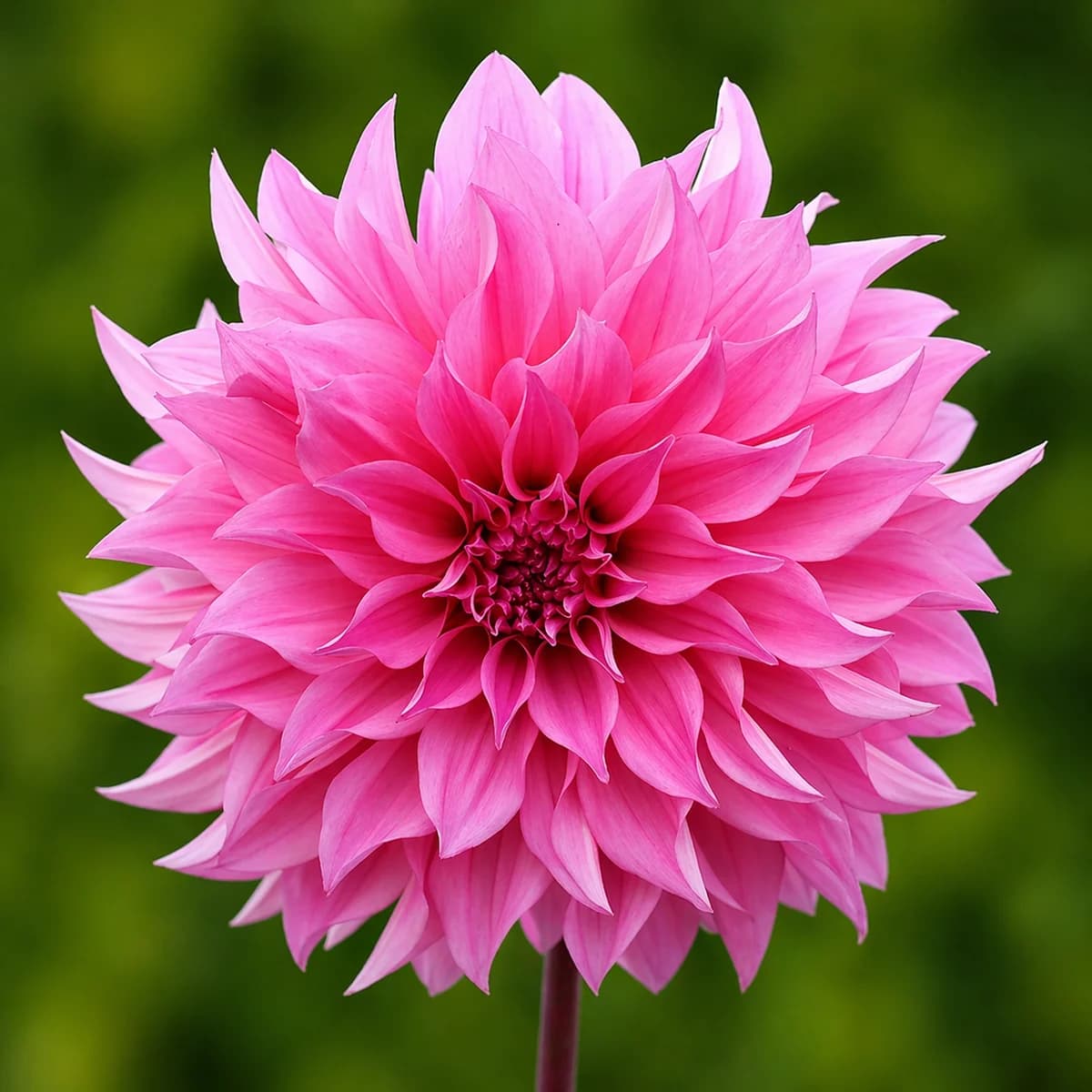 ✂
✂Cafe Au Lait Rose
Informal Decorative · A · 6–9"
deep pinkceriserose pink+3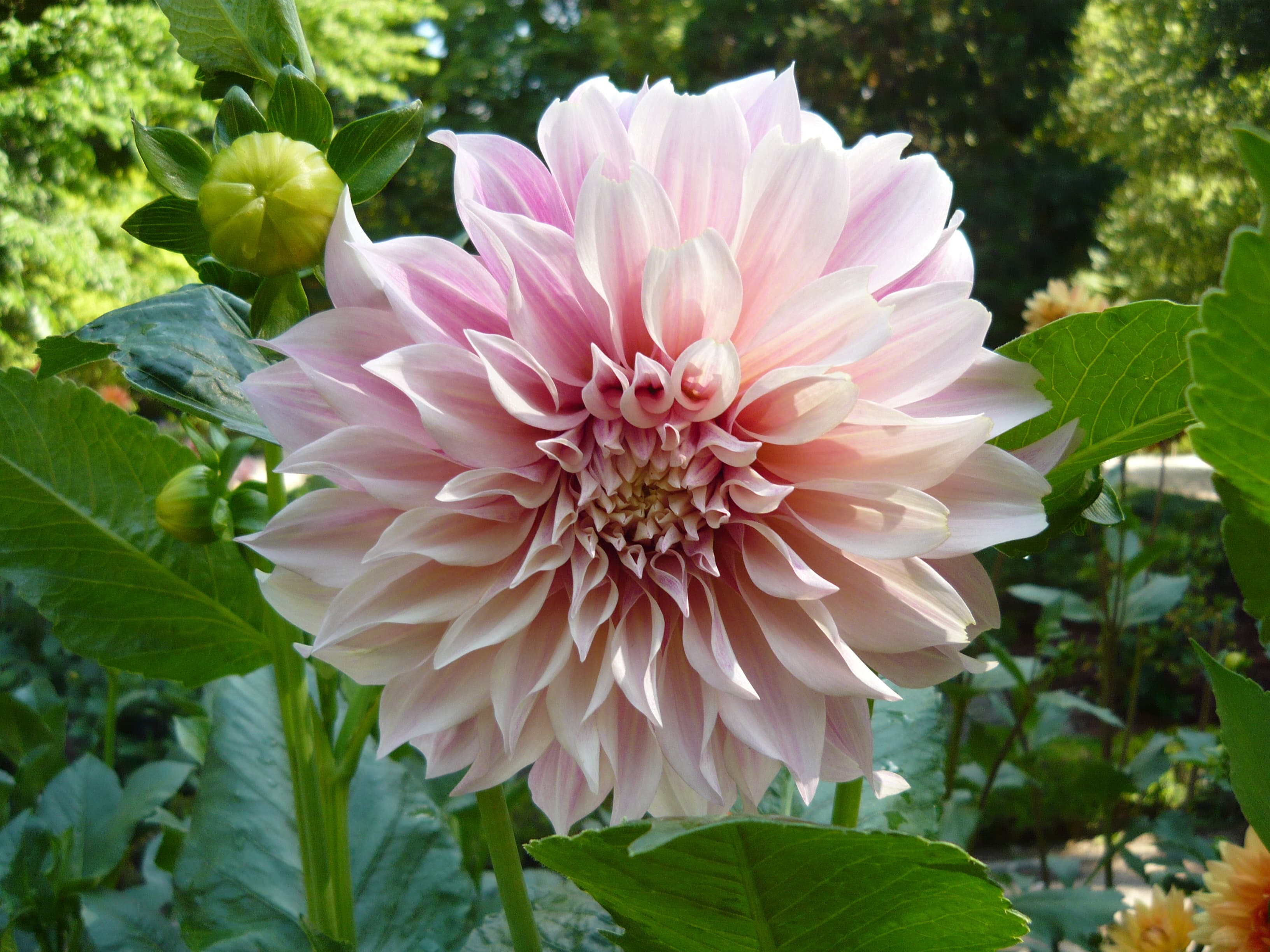 ✂🏆
✂🏆Cafe au Lait
Informal Decorative · A · 8–10"
blushpeachcream+4- 🌸✂
Bloomquist Intimate
Informal Decorative
lavendersoft purplepastel+1
More yellow dahlias
Varieties in the same color family.
- ✂🏆
Bahama Mama
Informal Decorative · BB · 4–6"
banana yelloworchid pinkmauve+4 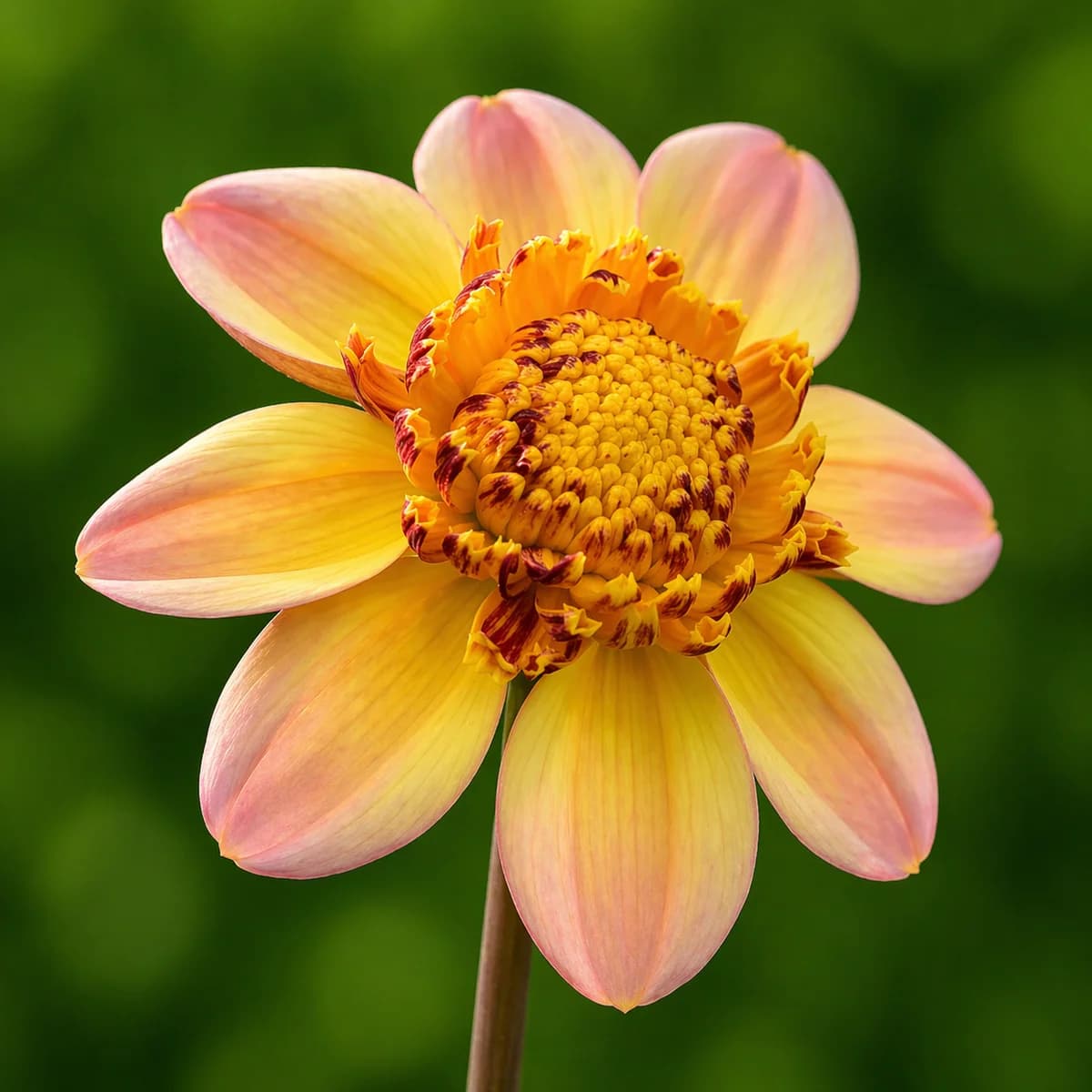 ✂
✂Bloomquist Golden
Anemone · BB · 3–4"
goldyellowpink tips+2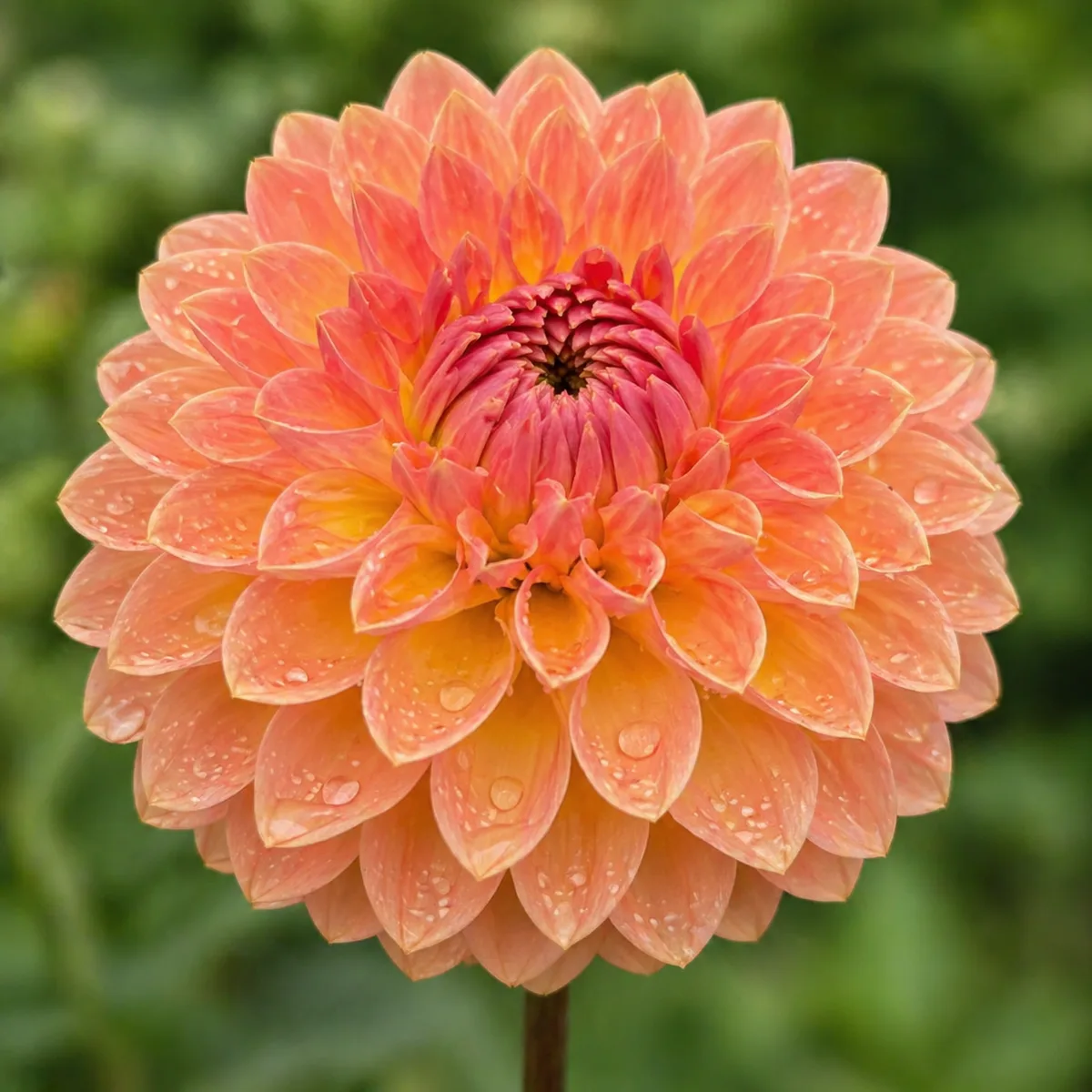 ✂🏆
✂🏆Blyton Softer Gleam
Ball · BB · 3.5–6"
golden yellowhoney goldapricot+5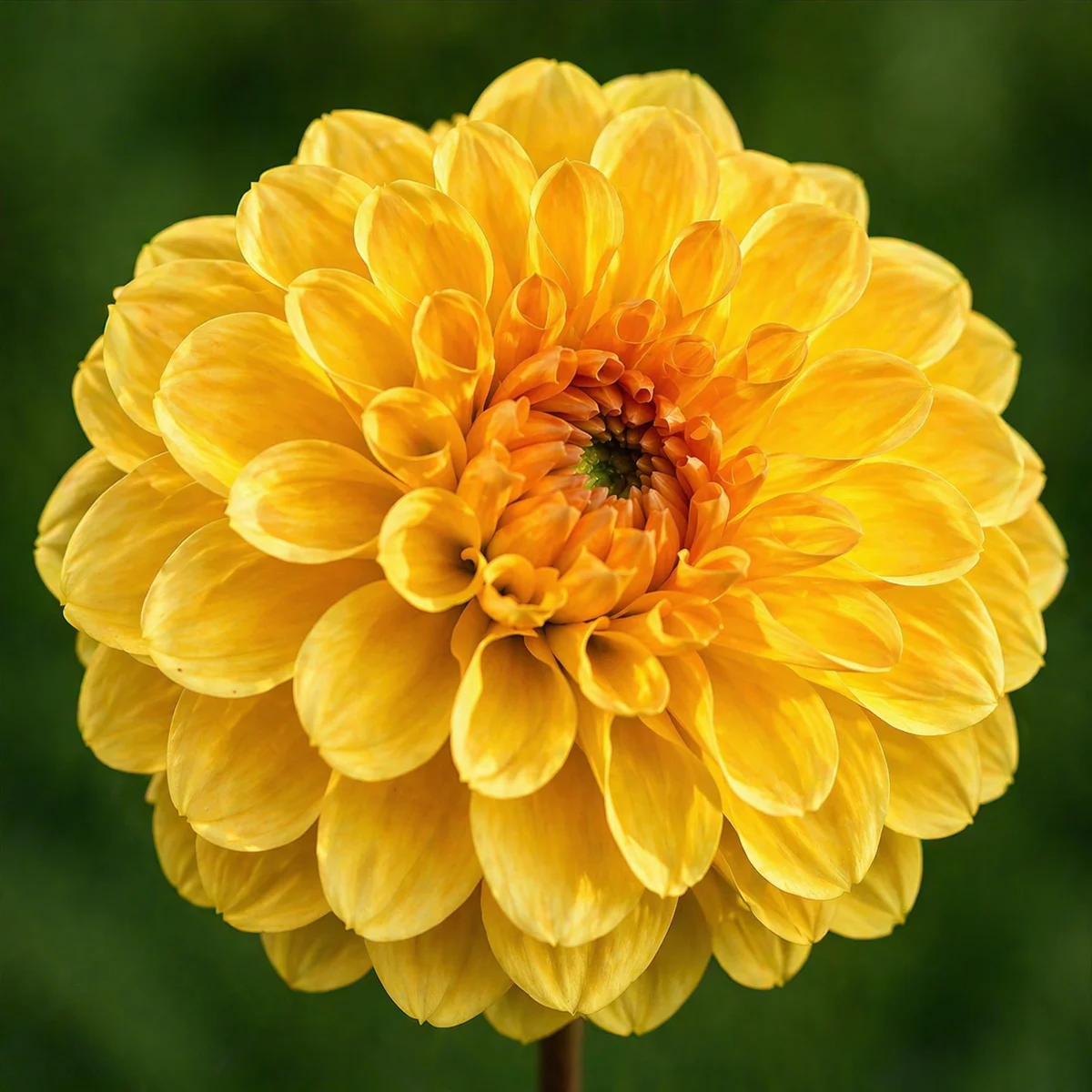 ✂
✂Golden Scepter
Pompon · M · 2.4–3.1"
yellowgoldenbutterscotch+1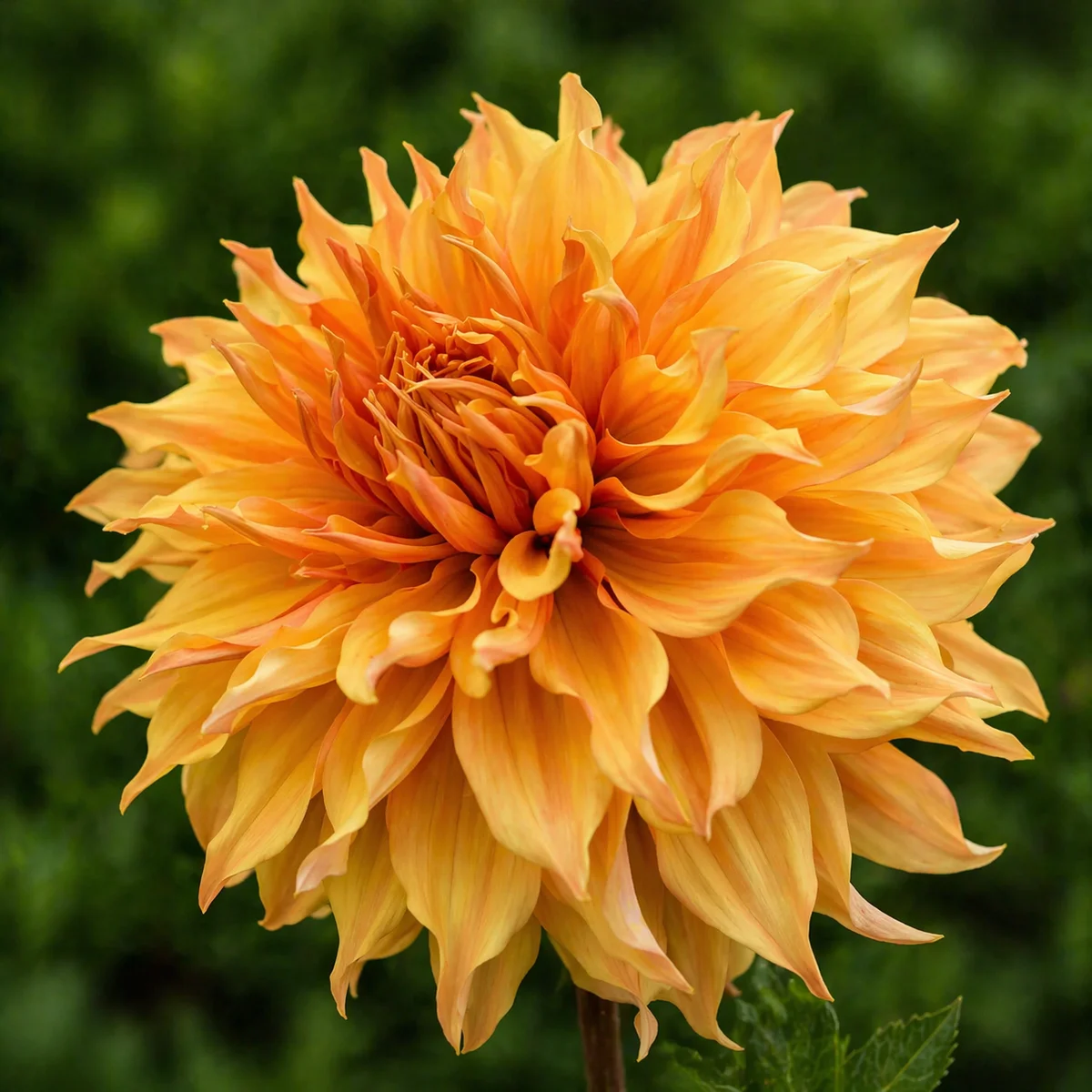 ✂🏆
✂🏆Hamari Gold
Informal Decorative · A · 7.9–9.8"
goldenamberbronze+3- 🌸✂
Camano Stroll
Formal Decorative · BB · 4–5"
yellowbutter yellowsoft yellow
More from Kristine Albrecht
Other varieties by the same breeder.
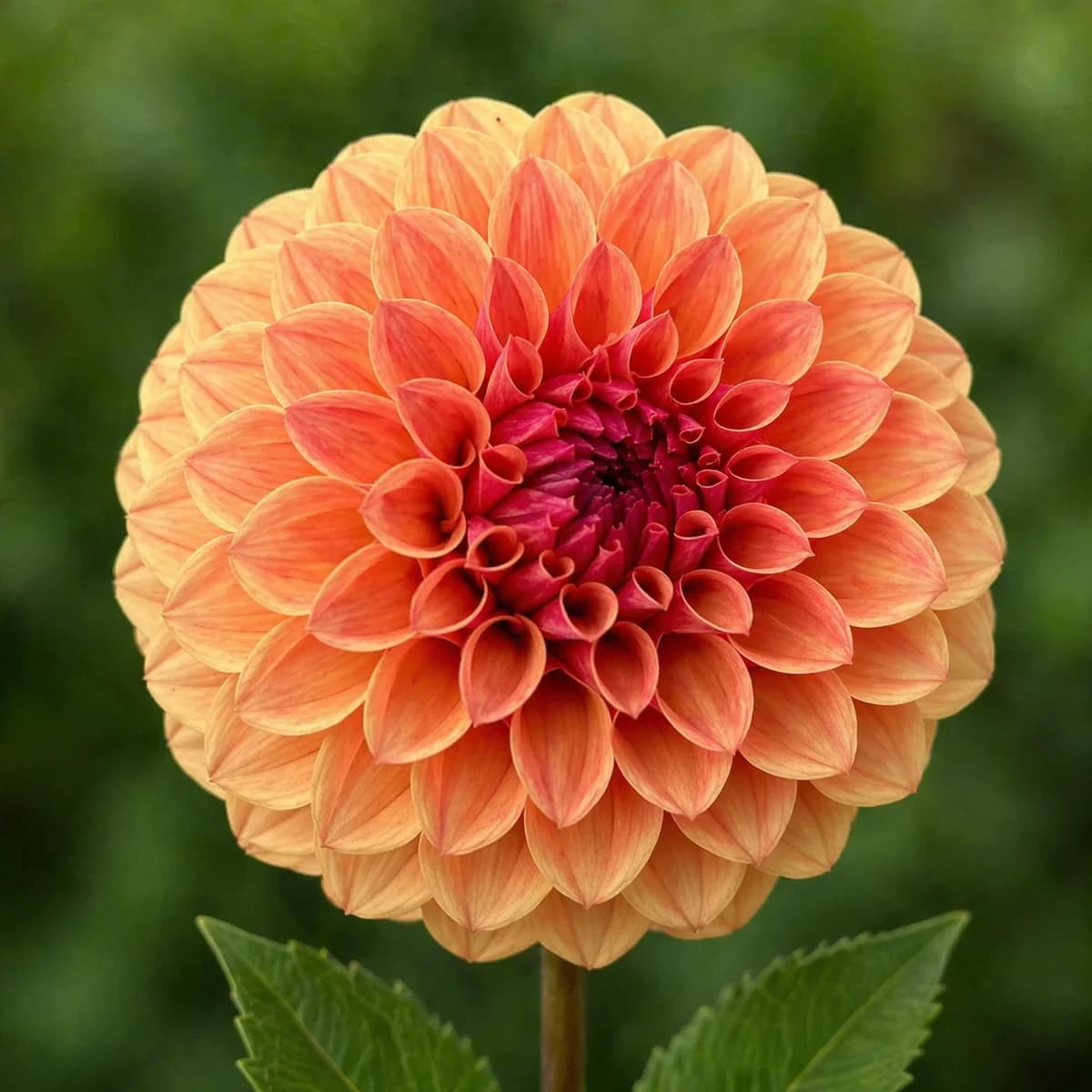 ✂
✂KA's Blood Orange
Formal Decorative · M · 3–3.5"
blood orangedeep orangered-orange+1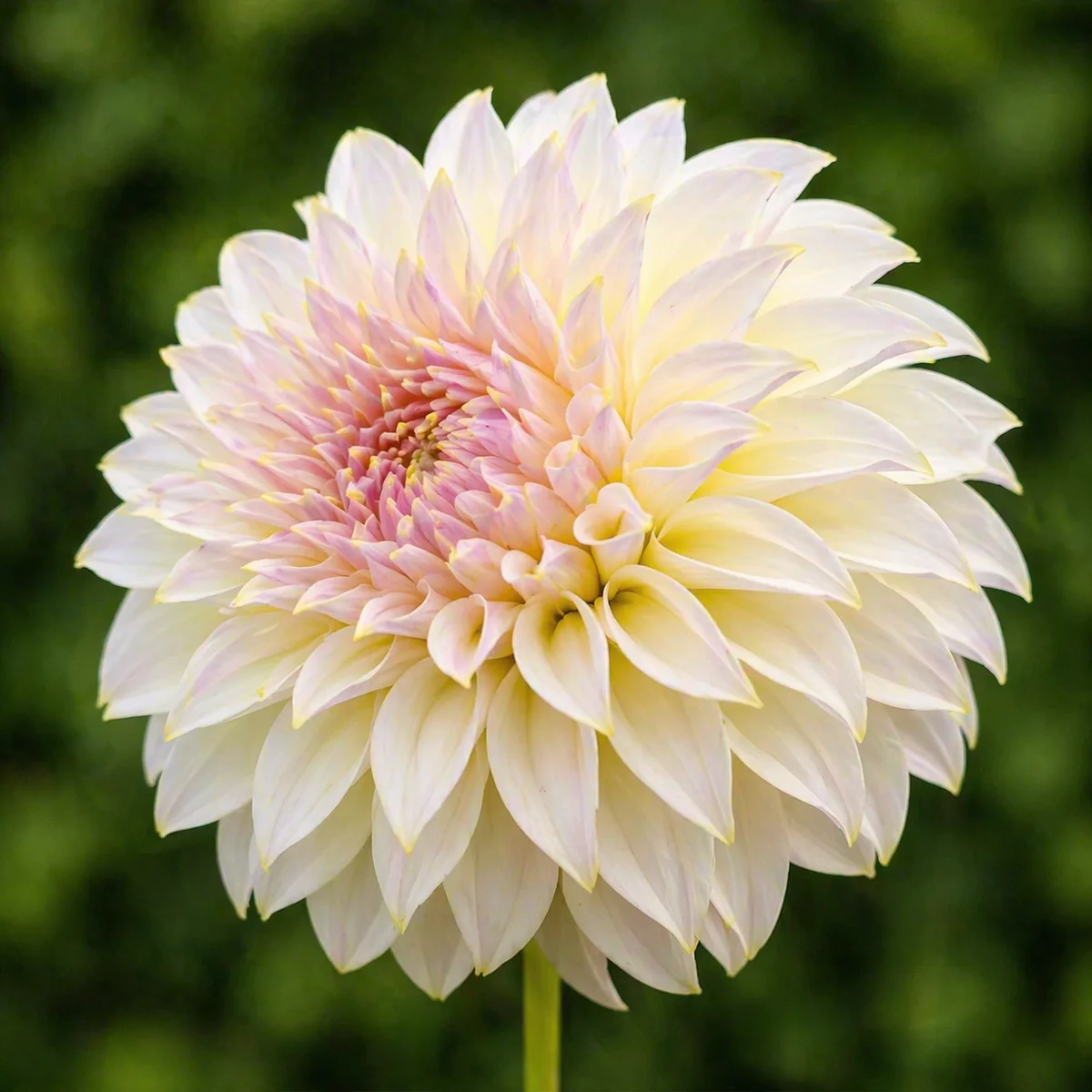 ✂🏆
✂🏆KA's Champagne
Stellar · BB · 3.5–4"
champagnecreamblush+4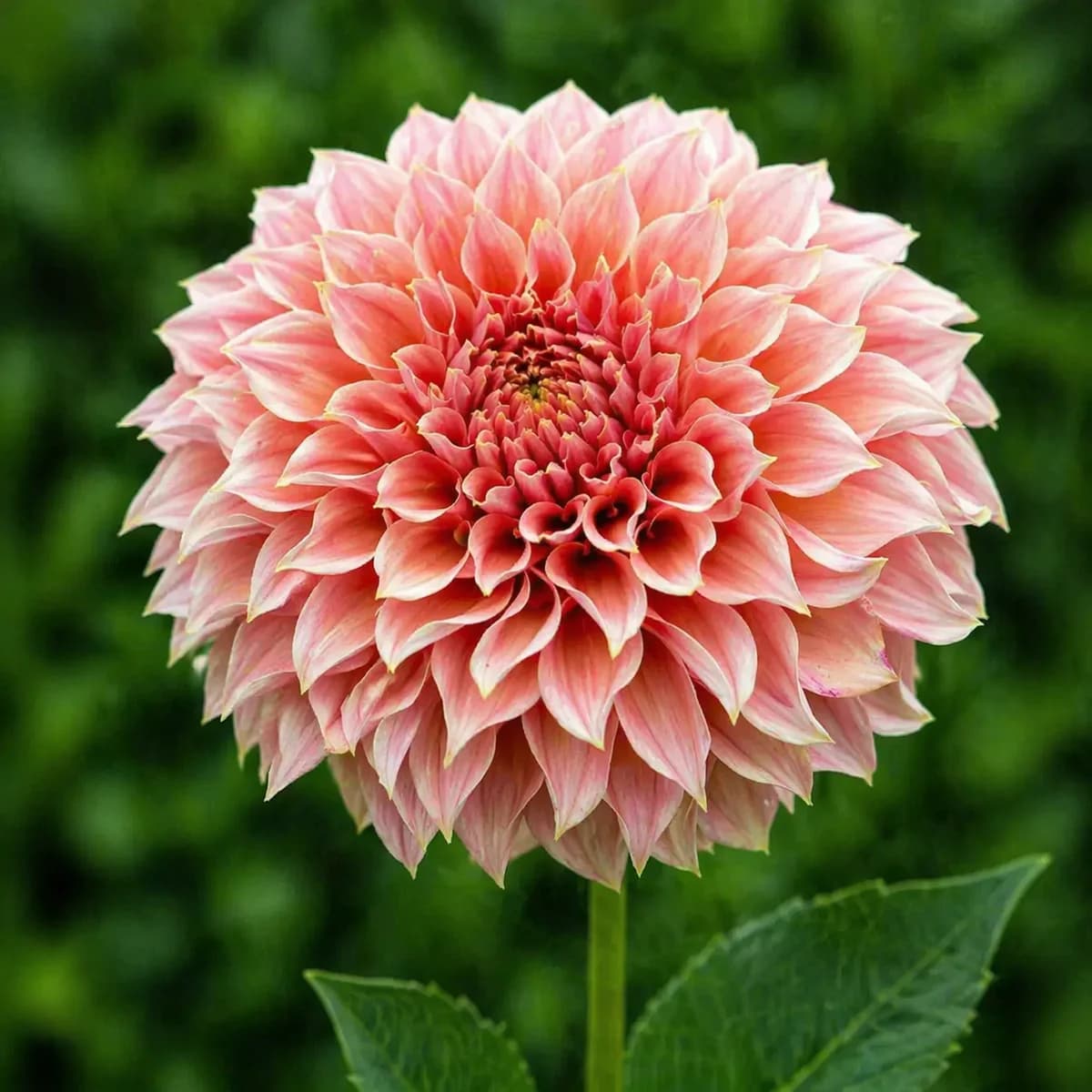 ✂
✂KA's Coral Sea
Informal Decorative · BB · 3.5–5"
coralpeachsalmon+1 ✂
✂KA's Keltie Cherry
Ball · BB · 3.5–4"
cherryredsmoky+2 ✂
✂KA's Mocha Jake
Informal Decorative · BB · 4–6"
pale pinkblushchampagne+3- 🌸✂
KA's Bella Luna
Formal Decorative · BB · 4–6"
whitelavenderblush+1
Last updated